A stack of printed puzzles is one of the most useful things to keep in a classroom drawer. Here are ten ways to put them to work, with almost no preparation.
- Early finishers. Keep a tray of puzzles at two or three levels so children who finish first always have something worthwhile to do.
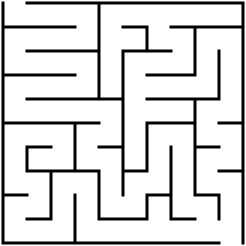
- Morning warm-ups. A short maze or mini crossword on each desk settles a class as they arrive.
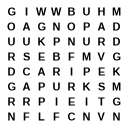
- Spelling practice. Type this week’s spelling list into the word search maker and print one for everyone.
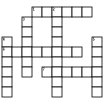
- Vocabulary review. Use the crossword maker with your own clues to review a topic: planets, parts of a plant, a novel’s characters.
- Maths that doesn’t feel like a worksheet. Number pyramids practise addition and subtraction; expert ones introduce the idea of an unknown.
- Reasoning skills. Logic grids teach careful reading and step-by-step thinking. Starter grids work well in pairs.
- Brain breaks. A five-minute puzzle between lessons is a calm alternative to a screen.
- Mixed-ability groups. Give every group the same theme at different levels, so everyone shares the topic without anyone being left behind.
- Substitute teacher folders. A few puzzles with answer keys make cover lessons easier for everyone.
- Puzzle of the day. Put the day’s puzzle up on the board. Everyone gets the same one, so the class can compare answers.
Printing tips
Download the PDF in your paper size, US Letter or A4, and print page 1 for the class and page 2 for yourself: it’s the answer key. Large print helps younger readers and anyone who finds small type hard going.